
Emergency Lighting Services
CID Fire and Security offer a very competitive service for:
- Installation
- Repairs
- Planned maintenance contract
- Full Certification
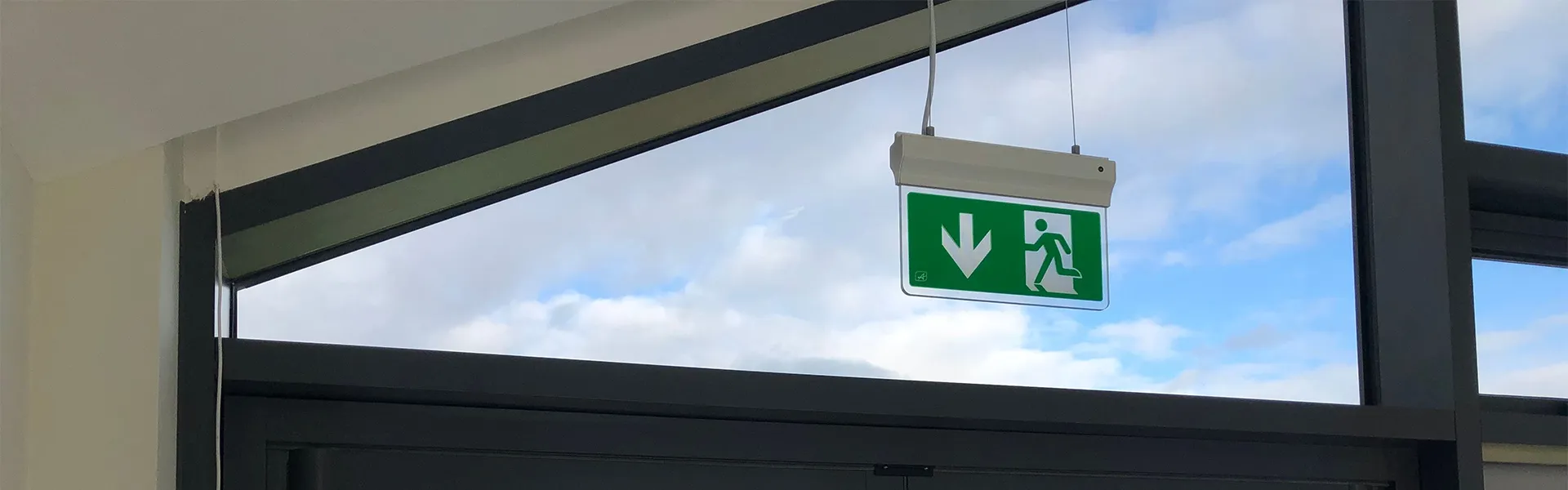
Emergency lighting is designed to allow safe evacuation in an emergency when the main power supply fails. The loss of mains electricity could result from a fire or a power cut that causes standard lighting to fail. This can lead to sudden darkness and a danger to life due to panic, obstacles and an inability to escape.
Contact Us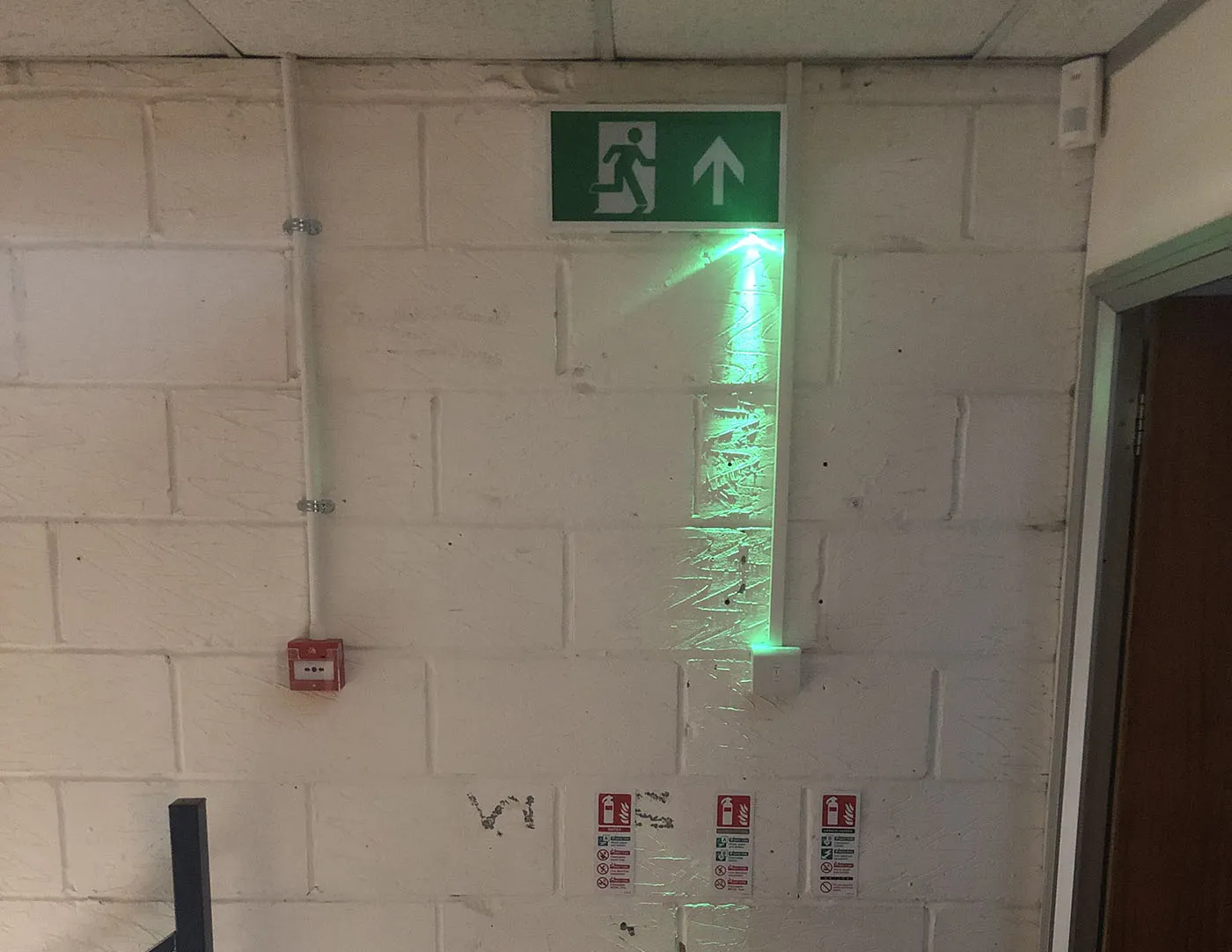
Emergency Lighting Engineering
Emergency lighting usually operates automatically and provides enough light at a low level to enable persons of all ages to evacuate the premises safely. Most new buildings now have emergency lighting installed during construction, and the design and type of equipment tend to be specified by the relevant local authority, architect or consultant.
The British Standard provides guidelines from which a lighting plan can be designed. British Standard BS 5266: Part 1: 2005 (non-domestic) includes residential hotels, clubs, hospitals, nursing homes, schools and colleges, licensed premises, offices, museums, shops, multi-storey dwellings etc. This standard recommends each category’s types and durations of emergency lighting systems. However, it’s important to note that these are minimum requirements, and a higher standard may be needed in some instances for adequate protection.
- Competitive emergency lighting services
- Emergency lighting installation & repairs
- BS5266 compliant emergency lighting systems
- Full testing & certification provided
- Planned maintenance contracts available
- Solutions for commercial & residential properties
- Designed to meet current safety regulations
- Tailored systems for all building types
- Ongoing maintenance and compliance support
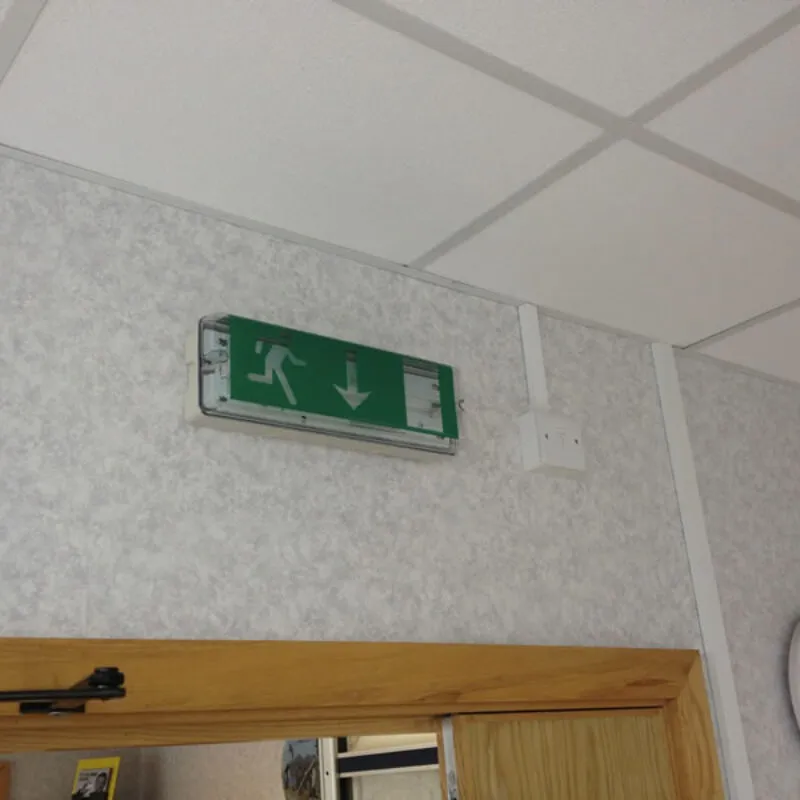
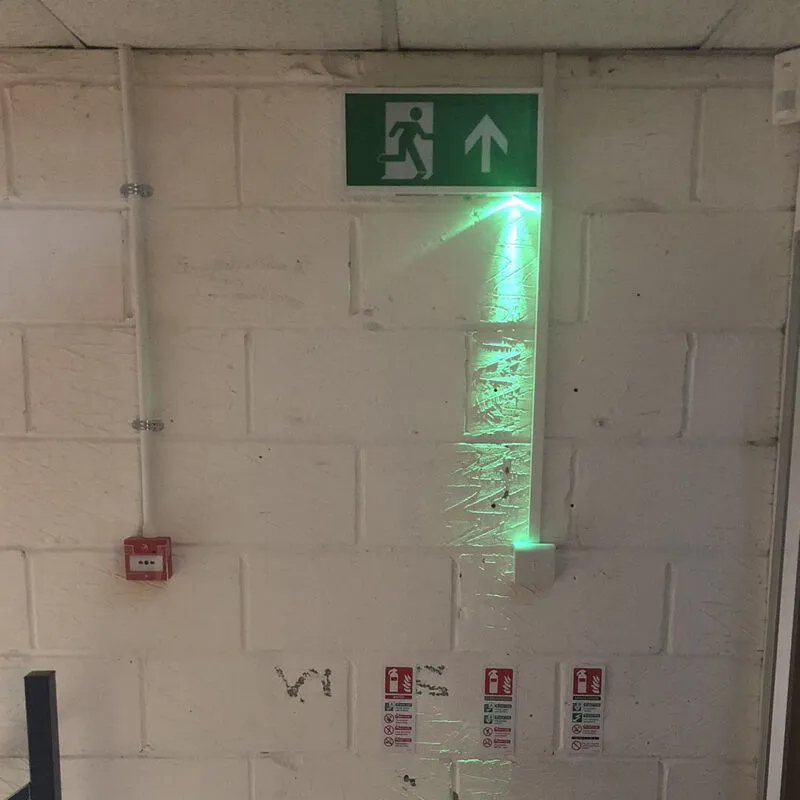
Testing & Maintenance Of Emergency Lighting Systems
There is legislation, guides, and British and European standards that require the installation of emergency lighting and the areas it should cover. An emergency escape lighting system should cover the following areas,
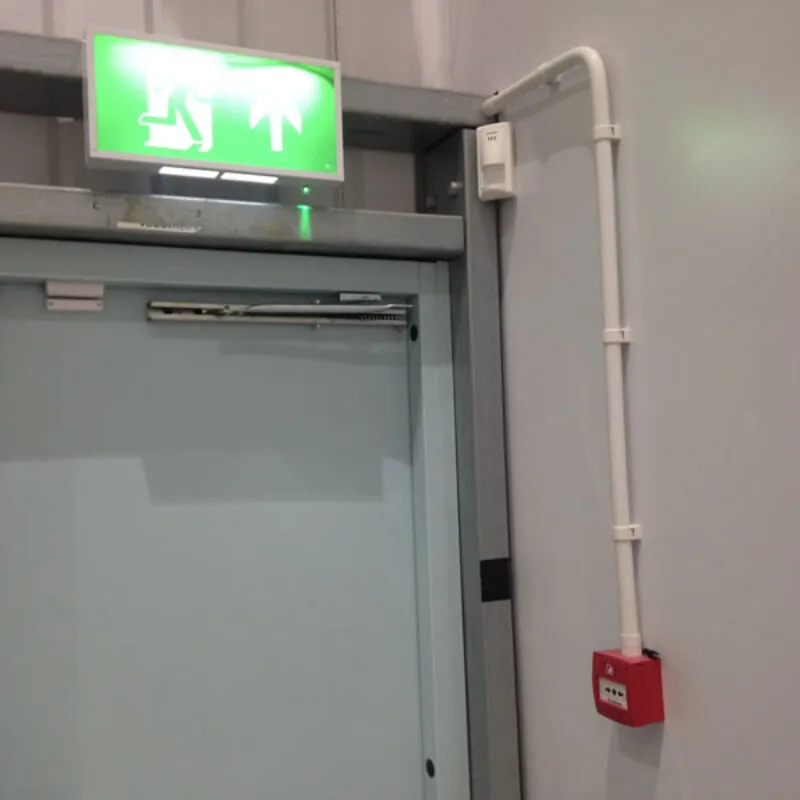
- every exit door
- escape routes
- intersections of corridors
- outside each final exit and external escape routes
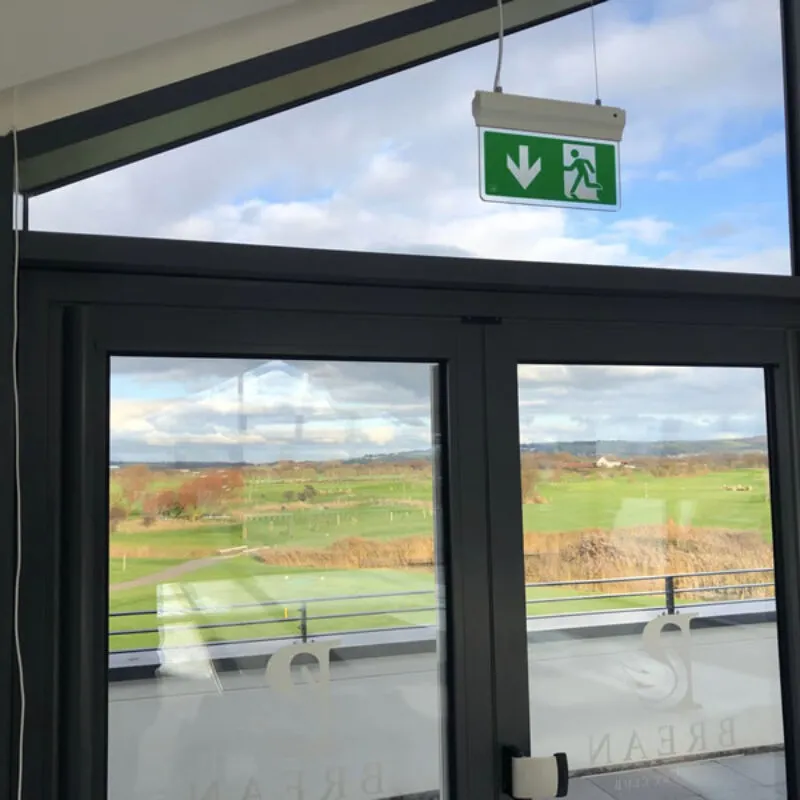
- emergency escape signs
- stairways, giving every flight adequate light
- changes in floor level
- windowless rooms and toilet accommodation exceeding 8m2
- firefighting equipment
- fire alarm call points
- equipment that would need to be shut down in an emergency
- lifts and indoor areas greater than 60m2
It is not necessary to provide individual lights (luminaire) for each item above, but there should be a sufficient overall level of light to allow them to be visible and usable.
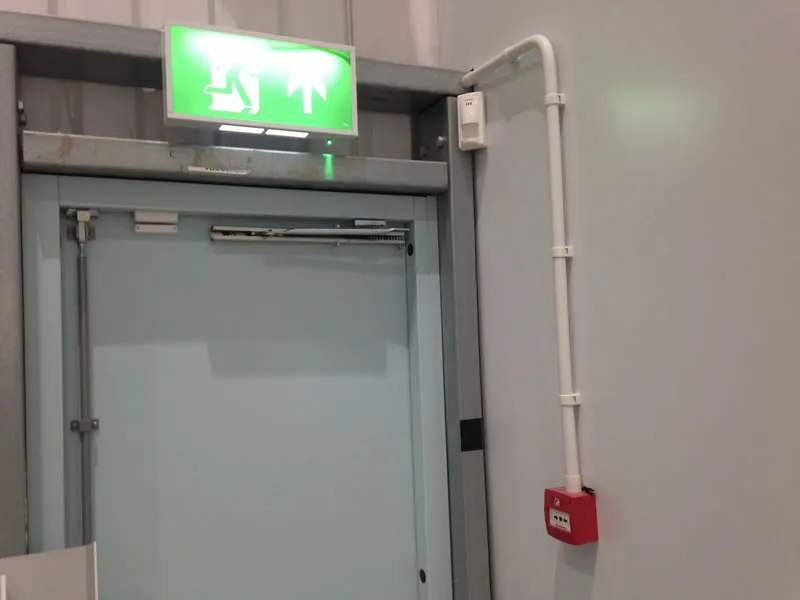
Servicing & Testing
To test an emergency lighting system, you need to simulate a power failure to all mains lighting for the total duration that the emergency lighting is intended to operate. This will trigger the emergency lighting system and test the battery supply.
After the test, it is recommended that the system’s performance be logged.
Emergency Lighting Quote
CID Fire & Security provides professional emergency lighting installation, testing, and maintenance services for residential and commercial properties. Our compliant systems are designed to improve safety, guide evacuation routes, and help your premises meet current fire safety regulations. Contact our team today for expert advice and a free, no-obligation quotation.